The Future of Mobile Connectivity Is eSIM—Here’s Why
The Future of Mobile Connectivity Is eSIM—Here's Why
The Future of Mobile Connectivity Is eSIM—Here's Why
The mobile industry stands at the precipice of a revolutionary transformation. After three decades of physical SIM cards dominating cellular connectivity, eSIM technology is rapidly emerging as the definitive future of mobile communications. This isn't just another incremental upgrade—it's a fundamental reimagining of how devices connect to networks, manage multiple carriers, and adapt to our increasingly connected world.
"The transition to eSIM isn't just evolution—it's revolution. We're witnessing the biggest shift in mobile connectivity since the introduction of digital networks."
Understanding the eSIM Revolution
The transition from physical to embedded SIM technology represents one of the most significant changes in mobile infrastructure since the introduction of digital networks. An eSIM (embedded SIM) is a programmable chip built directly into devices, eliminating the need for removable plastic cards while offering unprecedented flexibility and functionality. Beyond simple replacement, eSIM technology isn't merely a digital version of physical SIM cards—it's an entirely new paradigm that enables capabilities impossible with traditional hardware.
Industry Momentum and Major Adoption
Major technology companies, carriers, and device manufacturers are investing billions in eSIM infrastructure, signaling a clear industry consensus about the technology's future dominance. Apple's decision to remove physical SIM slots from iPhone 14 models in the United States represents a watershed moment, demonstrating confidence in eSIM's readiness for mainstream adoption. Google, Samsung, and other Android manufacturers are rapidly expanding eSIM support across their device lineups, from flagship phones to mid-range models.
Technological Advantages Driving Change
eSIM technology enables carrier activation in minutes rather than days. Consumers can research, purchase, and activate cellular plans entirely online without waiting for physical cards or visiting stores. Modern eSIM implementations can store multiple carrier profiles simultaneously, allowing users to switch between providers instantly based on coverage, pricing, or service quality. The embedded nature makes eSIMs inherently more secure against physical tampering, SIM swapping attacks, and unauthorized access.
"By 2027, industry analysts predict that 75% of premium smartphones will prioritize eSIM connectivity, with many offering eSIM-only configurations."
Market Predictions and Timeline
Industry analysts predict that 75% of premium smartphones will prioritize eSIM connectivity by 2026, with many offering eSIM-only configurations. Following the US market, expect eSIM-only devices to expand to European and Asian markets as carrier infrastructure reaches maturity. Connected devices utilizing eSIM technology are projected to exceed 2 billion units by 2027, driven by automotive, healthcare, and smart home applications. Physical SIM cards will likely be relegated to budget devices and specific regional markets, representing less than 30% of new device activations by 2030.
Consumer Benefits Driving Demand
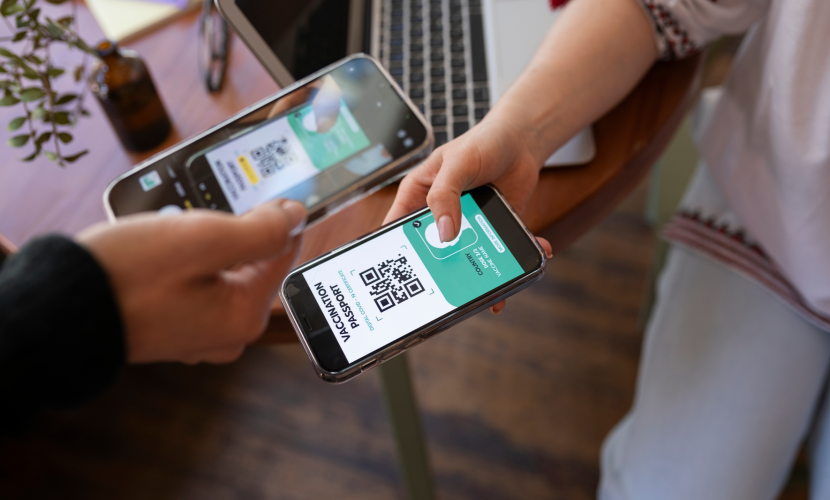
New device setup becomes dramatically simpler when users can activate cellular service by scanning a QR code or downloading a carrier app. International connectivity evolves from a complex, expensive challenge to a simple online purchase, fundamentally changing how people stay connected while traveling. eSIM enables seamless connectivity across smartphones, tablets, laptops, and wearables without managing multiple physical cards or accounts. The technology reduces carrier operational costs, enabling more competitive pricing and innovative service models.
Real-World Implementation Examples
Modern automobiles increasingly rely on eSIM technology for navigation updates, emergency services, entertainment streaming, and vehicle diagnostics. BMW, Tesla, and other manufacturers are integrating eSIM connectivity as standard equipment, enabling over-the-air updates and connected services that would be impractical with physical SIM infrastructure. Medical devices using eSIM technology enable remote patient monitoring, automatic emergency alerts, and real-time health data transmission. Businesses are deploying eSIM-enabled devices for field workers, delivery tracking, and asset monitoring.
"eSIM technology enables entirely new categories of connected devices and services that will define the next decade of mobile innovation."
Technological Innovations Enabled by eSIM
AI algorithms can automatically switch between eSIM carriers based on real-time performance, pricing, and user preferences. Machine learning systems can anticipate connectivity needs and pre-provision eSIM profiles for optimal performance. eSIM technology facilitates faster connections to edge computing resources, enabling real-time applications like augmented reality and autonomous vehicle communication. Advanced edge computing integration enables seamless connectivity as devices move between different network environments.
Global Impact and Emerging Markets
Developing markets can bypass traditional SIM infrastructure and implement eSIM-first networks, similar to how many regions skipped landline telephony for mobile communications. eSIM technology enables innovative mobile payment and banking services in regions where traditional financial infrastructure is limited. Remote education initiatives benefit from eSIM's ability to quickly provision connectivity to students in underserved areas. The technology significantly reduces plastic waste from SIM card production, packaging, and disposal while supporting sustainable consumption patterns.
Preparing for the eSIM Future
When purchasing new devices, prioritize eSIM compatibility to future-proof your technology investments. Evaluate current carrier eSIM support and plans to understand your options when making the transition. Businesses should evaluate how eSIM technology can improve operational efficiency, reduce costs, and enable new service models. Companies using connected devices should consider eSIM technology for supply chain tracking, asset management, and logistics optimization.
"The future of mobile connectivity is not a question of if eSIM will dominate, but when and how quickly the transition will occur."
The overwhelming industry investment in eSIM technology, from device manufacturers to carriers to software developers, represents unprecedented consensus about the technology's future dominance. The practical advantages of eSIM technology—convenience, flexibility, security, and cost savings—create compelling reasons for widespread adoption beyond mere technological novelty. eSIM technology represents the foundation upon which the next generation of connected experiences will be built. Understanding and embracing this transformation today positions individuals and businesses to thrive in tomorrow's connected world.

Which Devices Support eSIM in 2025
07 Jul 2025
Troubleshooting Common eSIM Activation Issues
07 Jul 2025
How eSIM Is Changing the Way We Stay Connected
07 Jul 2025
How to Use eSIM When Traveling Abroad
19 Apr 2025