eSIM vs. Physical SIM: Which Is Better
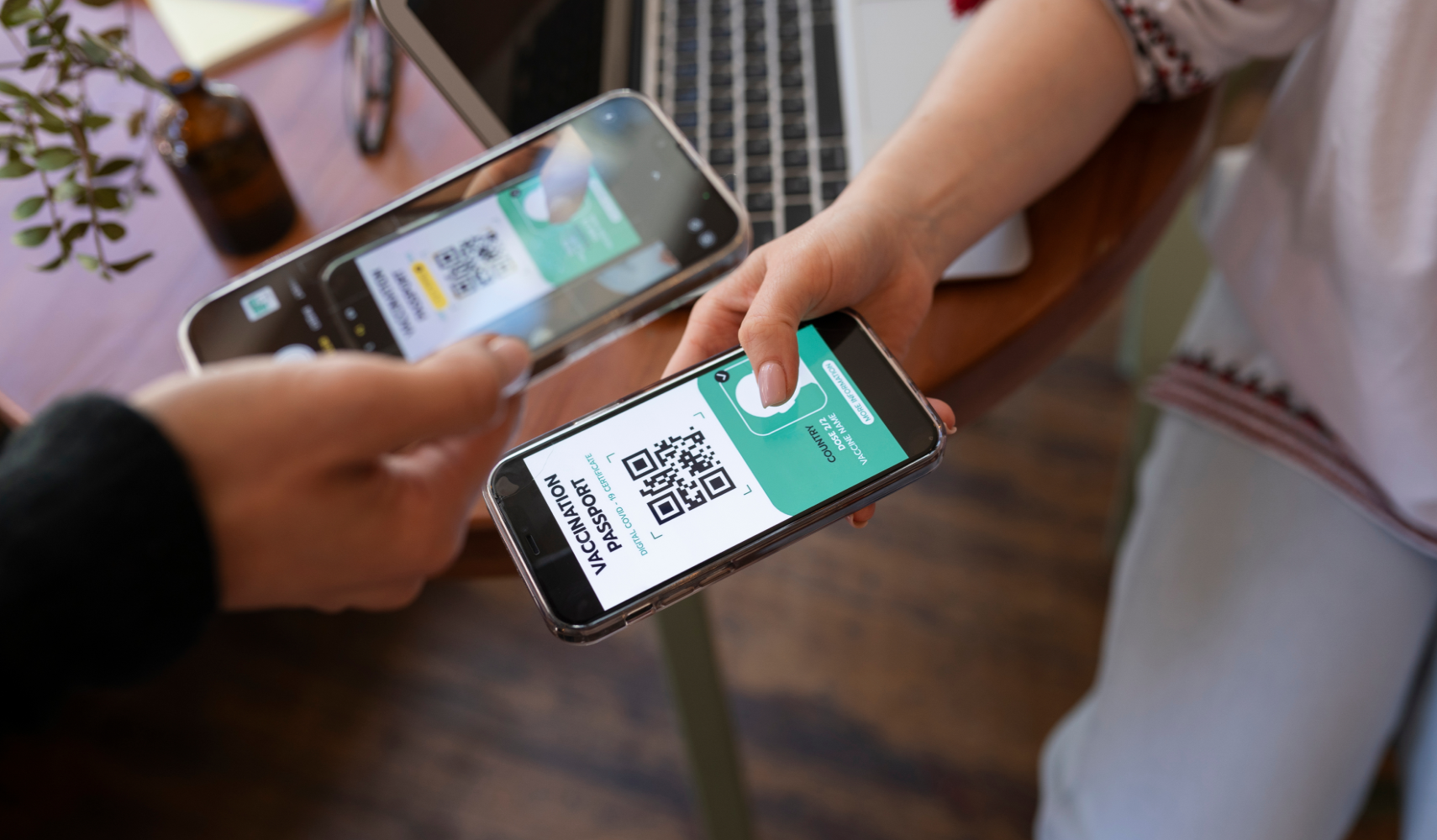
# eSIM vs. Physical SIM: Which Is Better for You? The mobile connectivity landscape is rapidly evolving, and at the center of this transformation lies a crucial decision every smartphone user must make: eSIM or physical SIM card? Both technologies serve the same fundamental purpose of connecting your device to cellular networks, but they differ significantly in convenience, functionality, and user experience. Understanding these differences is essential for making an informed choice that best suits your lifestyle and needs. ## Understanding the Technologies Before diving into the comparison, it's important to understand what sets these technologies apart. A physical SIM card is the traditional removable chip that stores your carrier information and authenticates your device on the network. An eSIM (embedded SIM) is a digital version built directly into your device, allowing you to download carrier profiles without physical cards. **Physical SIM Cards** have been the standard for over three decades. These small, removable chips contain a secure microprocessor and memory that store your subscriber information, phone number, and carrier authentication data. **eSIM Technology** represents the next evolution in mobile connectivity. This embedded SIM is soldered directly into your device during manufacturing and can store multiple carrier profiles that you can switch between digitally. ## **Head-to-Head Comparison** ### **Convenience and Setup** **eSIM Takes the Lead:** Setting up an eSIM is remarkably straightforward – simply scan a QR code or download a carrier app, and you're connected within minutes. No more waiting for SIM cards to arrive by mail or visiting carrier stores. **Physical SIM Challenges:** Traditional SIM cards require physical handling, proper insertion, and often involve store visits or delivery waiting periods. The tiny cards are also easily lost or damaged. ### **International Travel Experience** **eSIM Wins by a Mile:** For travelers, eSIM technology is revolutionary. You can research and purchase local data plans before your trip, activate them upon arrival, and switch between carriers instantly. No more hunting for SIM card vendors at airports or dealing with language barriers. **Physical SIM Limitations:** International travel with physical SIMs means either paying expensive roaming charges (often $10-15 per day) or finding local SIM vendors, which can be challenging in unfamiliar locations. ### **Device Compatibility** **Physical SIM Has the Advantage:** Nearly every smartphone from the last 15 years supports physical SIM cards. This universal compatibility makes them ideal for older devices or budget smartphones. **eSIM Growing Rapidly:** eSIM support is limited to newer devices (2018 and later), including iPhone XS and newer, Google Pixel 3+, Samsung Galaxy S20+, and most recent flagship Android phones. ### **Security Considerations** **eSIM Offers Enhanced Protection:** Digital SIMs provide better security through enhanced encryption, remote deactivation capabilities, and protection against physical theft or SIM swapping attacks. **Physical SIM Vulnerabilities:** Traditional SIMs can be physically stolen, cloned, or used in SIM swapping scams where attackers transfer your number to their device. ## **Cost Analysis: What's More Economical?** ### **Initial Setup Costs** - **Physical SIM:** $0-25 (SIM card fees vary by carrier) - **eSIM:** $0 (digital setup with no physical materials) ### **Monthly Service Plans** Both technologies typically offer similar monthly plan pricing, though some carriers provide eSIM-exclusive deals or promotions. ### **International Usage** - **Physical SIM Roaming:** $10-15 per day is common - **eSIM Travel Plans:** Often $5-30 per week for substantial data allowances ### **Switching Carriers** - **Physical SIM:** New SIM costs plus potential fees - **eSIM:** Often free digital switching ## **Real-World Usage Scenarios** ### **The Frequent Business Traveler** Sarah travels internationally 2-3 times per month. With eSIM, she pre-purchases data plans for each destination, activates them upon landing, and maintains her home number for important calls. This saves her over $200 monthly compared to international roaming fees. ### **The Domestic User** Mike primarily uses his phone locally and occasionally travels domestically. His three-year-old phone doesn't support eSIM, and he's perfectly satisfied with his physical SIM's reliability and his carrier's coverage. ### **The Digital Nomad** Elena works remotely while traveling through different countries monthly. eSIM technology allows her to maintain multiple carrier profiles, switch between them as needed, and stay connected for work without expensive roaming charges. ## **Dual-SIM Capabilities** Modern smartphones increasingly support dual-SIM functionality, allowing users to combine both technologies: **eSIM + Physical SIM Combination:** Keep your home number on a physical SIM while using eSIM for travel or secondary lines. This offers maximum flexibility and backup connectivity. **Dual eSIM Support:** Newer devices can store multiple eSIM profiles, eliminating physical SIMs entirely while maintaining multiple numbers or carriers. ## **Environmental Impact** **eSIM Environmental Benefits:** - Eliminates plastic SIM cards and packaging - Reduces manufacturing waste - Decreases shipping and logistics environmental impact - Supports sustainable technology adoption **Physical SIM Environmental Concerns:** - Millions of plastic cards produced annually - Packaging materials and shipping requirements - Electronic waste from replaced or damaged cards ## **Troubleshooting and Support** ### **eSIM Support Challenges** - Requires stable internet connection for initial setup - More complex troubleshooting procedures - Limited carrier support staff trained on eSIM issues - Device-specific setup variations ### **Physical SIM Advantages** - Simple troubleshooting (remove and reinsert) - Universal support across all carriers - Easy transfer between devices - No internet required for basic functionality ## **Future Industry Trends** The mobile industry is clearly moving toward eSIM adoption: **2024-2025 Predictions:** - 50%+ of new flagship phones will prioritize eSIM - Major carriers expanding eSIM support globally - Apple removing physical SIM slots in more regions - Improved eSIM setup and management tools **Long-term Outlook:** Physical SIMs will likely remain available for budget devices and specific markets for several years, but eSIM will become the primary technology for premium smartphones and tablets. ## **Making Your Decision: Which Is Right for You?** ### **Choose eSIM If You:** - Travel internationally frequently - Use a compatible modern smartphone - Want multiple phone numbers on one device - Prefer cutting-edge technology - Value environmental sustainability - Need quick carrier switching capabilities ### **Stick with Physical SIM If You:** - Use an older or budget smartphone - Rarely travel internationally - Prefer simple, proven technology - Frequently switch between devices - Live in areas with limited eSIM carrier support - Want universal compatibility assurance ## **Hybrid Approach: Best of Both Worlds** Many users don't need to choose exclusively. If your device supports both technologies, consider: - **Primary line:** Use eSIM for your main number and data - **Backup/Travel:** Keep a physical SIM slot available for emergencies or travel - **Business/Personal:** Separate numbers using different technologies - **International:** eSIM for travel, physical SIM for home country ## **The Bottom Line** There's no universal "better" choice between eSIM and physical SIM – the right decision depends entirely on your specific needs, device compatibility, and usage patterns. eSIM technology offers compelling advantages for modern users, especially frequent travelers and those who value convenience and flexibility. However, physical SIMs remain perfectly viable for users who prioritize simplicity, universal compatibility, or have older devices. As eSIM support continues expanding globally, more users will likely make the transition, but there's no urgency if physical SIM cards currently meet your needs. The future of mobile connectivity is digital, but that future can wait until it makes practical sense for your situation. **Consider your priorities:** convenience vs. simplicity, cutting-edge features vs. universal compatibility, travel flexibility vs. local reliability. Your choice should align with how you actually use your smartphone, not just the latest technology trends. The mobile connectivity revolution is here – but it's perfectly fine to join it on your own timeline.

Which Devices Support eSIM in 2025
07 Jul 2025
Troubleshooting Common eSIM Activation Issues
07 Jul 2025
How eSIM Is Changing the Way We Stay Connected
07 Jul 2025